HNRNPR-Related Neurodevelopmental Disorder
HNRNPR-RNDD is a rare genetic condition that affects how a child grows, learns, and develops. Most individuals with this condition have moderate to severe developmental delay and intellectual disability, growth delay and/or short stature, behavioral differences such as autism spectrum disorder and ADHD, seizures, and hypotonia.
HNRNPR Variants that Impair Homeobox Gene Expression Drive Developmental Disorders in Humans
(2019)
View PDFThe Gene
HNRNPR is a gene that acts like a master helper for many other genes, especially during early brain and body development. Everyone has two copies of the HNRNPR gene, one from each parent. In HNRNPR-RNDD, one copy has a change (variant) that affects how it works. Because HNRNPR helps regulate many other genes, one change can have ripple effects across different organs and systems in the body.
Why It Matters for the Brain
The HNRNPR gene plays an important role in controlling how other genes are turned on and off, especially in the brain and during early growth. When HNRNPR isn't working as expected, it can affect multiple body systems at the same time.
Everyone has two copies of the HNRNPR gene, one from each parent. In HNRNPR-RNDD, one copy has a change (variant) that affects how it works. In many children, this change happens for the first time ("de novo"), meaning it was not present in either parent's DNA.
Variant types observed:
- Loss-of-function variants – where the gene's instructions are "broken" or cut short.
- Missense variants – where a single "letter" in the DNA code is changed, altering how the protein works. These may result in milder medical involvement.
Developmental Delay/Intellectual Disability
~90%Most individuals with HNRNPR-RNDD have moderate to severe developmental delay/intellectual disability. Most children have speech and motor delays.
Facial Features
~90%Doctors have identified several facial traits that often appear together in HNRNPR-RNDD. These can be very obvious in some children and very subtle in others.
- Abnormal palpebral fissures
- Epicanthus
- Abnormal upper lip
- Abnormal ears
- Teeth anomalies
- Micro/retrognathia
- Abnormal hair during the first year of life
Growth
~80%Almost 80% of individuals with HNRNPR-RNDD have growth delays often resulting in short stature. Some children may have failure to thrive and/or difficulty feeding in infancy.
Hypotonia
~73%Low muscle tone (hypotonia) is present in many individuals. Babies may feel "floppy" and be slow to hold up their head, roll, sit, or walk.
- May feel floppy as babies
- Slow to reach motor milestones
- Joint hypermobility (very flexible joints) often accompanies hypotonia
Eye and Vision
~62%Eye differences including structural and vision problems have been observed.
- Strabismus
- Coloboma
- Retina anomalies
- Nystagmus
Nervous System & Brain
~60%Brain imaging can show various structural differences. Seizures occur in about half of individuals.
- Corpus callosum differences
- Cerebellar vermis hypoplasia
- Frontal cortical atrophy
- Seizures in about half of individuals
Bones, Spine, and Joints
~56%Skeletal and joint differences are observed in many individuals with HNRNPR-RNDD.
- Scoliosis
- Microcephaly
- Hand and feet differences including clinodactyly, brachydactyly, hypoplastic ends of fingers/toes, small hands/feet, and pes valgus
- Missing or underdeveloped pairs of ribs
Heart and Blood Vessels
~40%Some children have congenital heart defects (heart differences present at birth). Heart monitoring is important.
- Congenital heart defects such as small holes in the heart
- Abnormal heart rhythm
- Regular cardiac monitoring recommended
Behavioral Differences
~40%Behavioral differences have been observed in individuals with HNRNPR-RNDD.
Kidney and Urinary System
~30%Kidney changes are common in individuals with HNRNPR-RNDD.
- Structural kidney differences
- Cryptorchidism (undescended testicles) common in boys, may require surgery
Receiving an HNRNPR-RNDD diagnosis can bring a mix of emotions—relief at having answers, along with worry about the future. You are not alone. Even though HNRNPR-RNDD can sound overwhelming, many children make progress over time with early therapies, medical care, and school support.
- The condition is now well-recognized with a clear genetic explanation.
- Families often work with a team that may include genetics, cardiology, neurology, kidney specialists, therapists, and educators.
- Early intervention and supportive therapies can make a meaningful difference.
- Connect with other families through the HNRNP Family Foundation community.
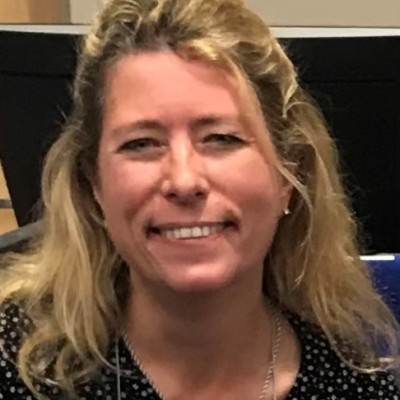
Alyson Macinnes
Director Biomarker Discovery and Development
Hubrecht Institute for Developmental Biology and Stem Cell Research
Join Our Research
We are running a Natural History Study for HNRNPR-RNDD at the HNRNP Family Foundation. Your participation helps advance research and treatment development.
Want to learn more about other HNRNP-RNDDs?
Explore our comprehensive resources on all HNRNP-Related Neurodevelopmental Disorders.
View All Disorders