HNRNPH2-Related Neurodevelopmental Disorder
HNRNPH2-RNDD was first described in 2016. Variants in HNRNPH2 on the X chromosome are associated with a neurodevelopmental disorder in females. This condition is sometimes called Bain type X-linked syndromic neurodevelopmental disorder.
Variants in HNRNPH2 on the X Chromosome Are Associated with a Neurodevelopmental Disorder in Females
The American Journal of Human Genetics(2016)
View PDFThe Gene
HNRNPH2 is a gene on the X chromosome that provides instructions for making a protein in the HNRNP family. These proteins bind to RNA and help control pre-mRNA splicing, which is a key step in turning gene instructions into working proteins. Because the brain relies heavily on precise splicing during development, changes in HNRNPH2 can disrupt how brain cells grow and connect.
Why It Matters for the Brain
The HNRNPH2 protein helps regulate how RNA is spliced in developing neurons. Scientists identified that all initial HNRNPH2 variants clustered in a small region called the nuclear localization signal (NLS) – the "address tag" that sends the protein into the nucleus. When this region is damaged, the protein may not reach the nucleus properly, mis-regulating splicing of many other genes important for brain development.
Most variants in HNRNPH2 occur de novo, meaning that neither parent carries the variant. It is rare, but there have been reports of children inheriting a copy of HNRNPH2 with a variant from an unaffected mother. This is because HNRNPH2 is on the X chromosome. Every cell in females has two X chromosomes, and randomly one is "turned off." As males have only one X chromosome, they cannot avoid expressing the HNRNPH2 with the variant. HNRNPH2-RNDD affects more females than males, and males may inherit variants from unaffected mothers.
Variant types observed:
- Missense variants (a type changing one amino acid to another) – These may disrupt how the HNRNPH2 protein works
- Many missense variants in the nuclear localization signal (NLS) don't allow the protein to go into the nucleus in the cell, where it performs much of its work
- Truncating/loss nonsense variants (anything ending in "fs", "X", or "del") – These likely result in a shorter protein that does not function properly
Nuclear Localization Signal Disruption
Scientists identified that all initial HNRNPH2 variants clustered in a small region called the nuclear localization signal (NLS) – the "address tag" that sends the protein into the nucleus. When this region is damaged, the protein may not reach the nucleus properly.
Wide-Ranging Neurological Effects
Because alternative splicing is like a master control layer on top of many genes, even a single HNRNPH2 variant can have wide-ranging effects on brain wiring, communication between neurons, and ultimately learning and behavior.
X-Linked Female-Limited Pattern
HNRNPH2 sits on the X chromosome. At first, researchers thought HNRNPH2-RNDD only affected females, but later publications reported males as well. Researchers suspect that many of the variants are so disruptive that male embryos (who have only one X chromosome) with these changes may not survive pregnancy. Females, who have two X chromosomes, may be partially protected because they still have one copy of the gene that works. Males tend to have “milder” genetic variants.
Developmental Delay/Intellectual Disability
100%All HNRNPH2-RNDD individuals have developmental delay/intellectual disability to date. This ranges from borderline to severe.
- About one third of individuals have developmental regression or plateau
Speech
80%+Over 80% of HNRNPH2-RNDD individuals have speech delay or problems. Many individuals are nonverbal while some are delayed.
- Dyspraxia of speech/apraxia has also been reported
Behavioral Differences
70%+Over 70% of individuals with HNRNPH2-RNDD have behavioral differences.
- Autism spectrum disorder (ASD)
- ADHD
- Self-injurious behaviors
- Anxiety
- Stereotypical hand mannerisms
- Hyperactivity
- Some individuals present similarly to Rett syndrome
Motor
~66%Two thirds of individuals with HNRNPH2-RNDD have motor delay. Many individuals are nonambulatory while some have significant delays.
- Movement abnormalities such as a tremor
- Cerebral palsy
- Dystonia
- Ataxia
Growth
~66%Two thirds of individuals with HNRNPH2-RNDD have growth delay resulting in short stature and/or low weight.
- Several individuals have been dependent on a g-tube for feeding
- Growth hormone has been given to some individuals
Seizures
50%+Over half of individuals with HNRNPH2-RNDD have seizures/epilepsy. These may present during childhood.
- Tonic-clonic seizures
- Absence seizures
- Febrile seizures
- EEG abnormalities
Eye and Vision Anomalies
50%+Over half of individuals with HNRNPH2-RNDD have eye and/or vision anomalies.
- Myopia (near-sightedness)
- Optic nerve anomalies
- Blindness
- Nystagmus
- Strabismus
- Cortical visual impairment (CVI)
Hand and Feet Differences
~30%About 30% of individuals with HNRNPH2-RNDD have hand and/or feet differences.
- Nail differences
- Syndactyly
- Tapered or long fingers
- Distal hypoplasia
- Sandal gap
- Hammertoes
- Overlapping toes
- Clinodactyly
- Abnormal palmar creases
Structural Brain Anomalies
~30%About 30% of individuals with HNRNPH2-RNDD have structural brain anomalies. These are quite variable.
- Abnormal corpus callosum
- Delayed myelination
- Cerebellar vermis hypoplasia
Physical Differences
~20%Various physical differences have been observed in individuals with HNRNPH2-RNDD.
- Skin conditions such as eczema and/or skin hyperextensibility
- Heart anomalies in almost 30% including atrial septal defects, mitral valve anomalies, and aortic root dilation
- Facial differences including almond-shaped eyes, short philtrum, and full lower lip
- About a third have digestive issues such as dysphagia or constipation
Skeletal Differences
~45%About 45% of individuals with HNRNPH2-RNDD have skeletal differences.
- Hip anomalies
- Pes cavus
- Short stature anomalies
- Pectus carinatum
- Scoliosis
- Microcephaly
Receiving an HNRNPH2-RNDD diagnosis can feel overwhelming, but you are not alone. Although this is an extremely rare condition, there is a growing community of families and researchers working to understand it better. Most reported cases are in females; male cases may be more severe or embryonic lethal.
- The condition is real and recognized – families are not alone or imagining the challenges.
- There is a clear genetic explanation, which can help with school planning, medical management, and access to services.
- All variants in the initial study were de novo (new in the child, not inherited).
- Children often benefit from a team approach including neurology, developmental pediatrics, psychiatry/psychology, and therapy services.
- Connecting with other families through the HNRNP Family Foundation and Yellow Brick Road Project can reduce isolation and accelerate research.
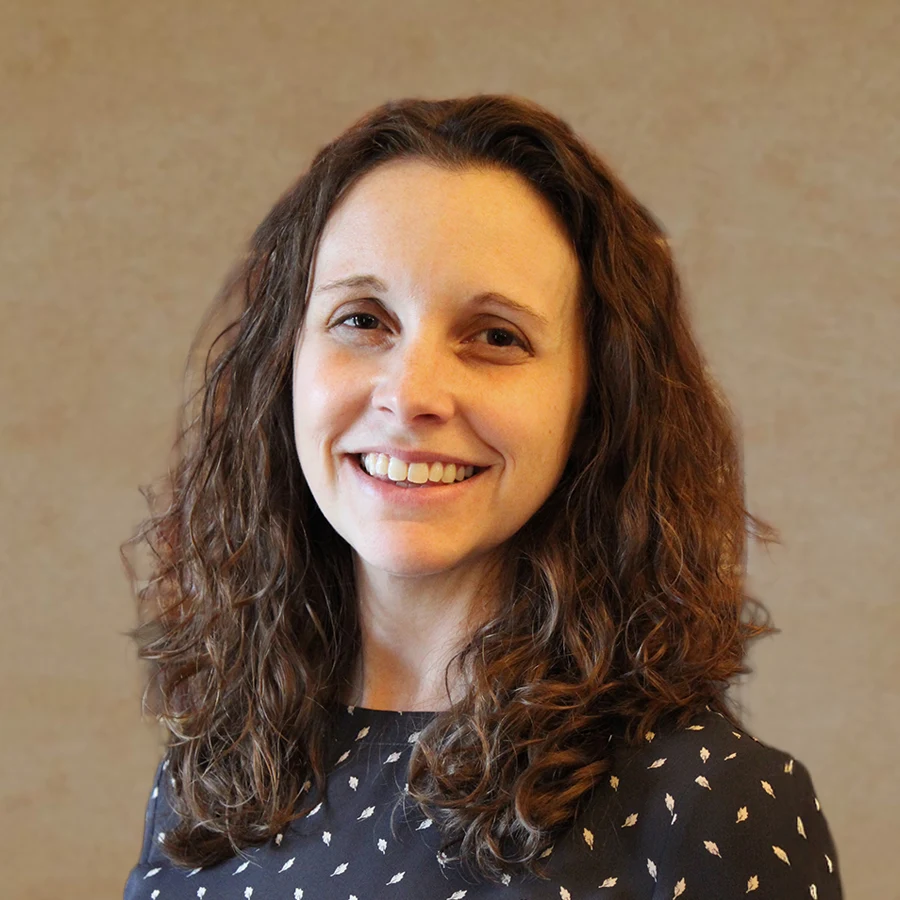
Jennifer Bain, MD, PhD
Pediatric Neurology
Columbia University, New York, NY, USA
Dr. Jennifer Bain, MD, PhD, is an associate professor in child neurology at Columbia University Medical Center. Dr. Bain completed both M.D. and PhD. as well as general pediatrics residency at Rutgers – New Jersey Medical School. She trained in child neurology at New York Presbyterian – Columbia University Medical Center and is a board certified neurologist with special certification in Child Neurology. Her early research career focused on spinal cord and brain development after injuries such as spinal cord injury and perinatal hypoxic ischemic encephalopathy. She currently works as a clinician at Columbia Doctors specializing in general pediatric neurology with expertise in development, behavioral neurology and autism. Her clinical research has focused on studying autonomic dysfunction in children with autism spectrum disorders as well as the gender disparity between girls and boys with an autism diagnosis. She is also very interested in the movement differences in children with autism. Dr. Bain authored a manuscript describing the first six girls with variants in the HNRNPH2 gene and is currently enrolling more individuals with HNRNP-Related Neurodevelopmental Disorders to learn more about the natural course of these neurodevelopmental disorders.
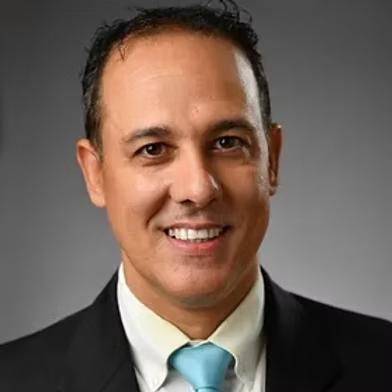
Christopher Ricupero
Associate Research Scientist
Columbia University, New York, NY, USA
Dr. Christopher Ricupero, PhD, is an Associate Research Scientist at Columbia University Irving Medical Center in New York City. Dr. Ricupero received his PhD in Neuroscience and the central theme to his research is neurodevelopment. He has a special interest in rare neurological and neurogenetic disorders within the HNRNP family and is currently investigating the underlying mechanisms of HNRNPH2-related neurodevelopmental disorder using patient specific stem cells. He is also active in the development of therapeutics using gene targeting approaches. Dr. Ricupero is a member of Columbia University’s Stem Cell Initiative and the Consortium on Neurodevelopmental Studies of Autism Spectrum and Related Disorders.
Join Our Research
We are running a Natural History Study for HNRNPH2-RNDD at the HNRNP Family Foundation. Your participation helps advance research and treatment development.
HNRNP Caregiver Connect
Connect with caregivers across all HNRNP disorders
Publication List
View the latest research publications
Join our Natural History Study
Participate in research to help advance understanding
HNRNP Caregiver Connect
Connect with caregivers across all HNRNP disorders
Yellow Brick Road Project
Partner foundation supporting HNRNPH2 research and families
Want to learn more about other HNRNP-RNDDs?
Explore our comprehensive resources on all HNRNP-Related Neurodevelopmental Disorders.
View All Disorders